
What a brand stands for only matters if it shows up that way.
First Lite has long been recognized for building technical hunting apparel, but strong brands are built on more than products alone.
My work focused on aligning what the brand stands for with how it shows up. This included developing a new social playbook, helping lead the launch of Fieldwear, and supporting the rollout of Camo for Conservation, a long-term commitment that directs 1% of all camo sales to conservation organizations.
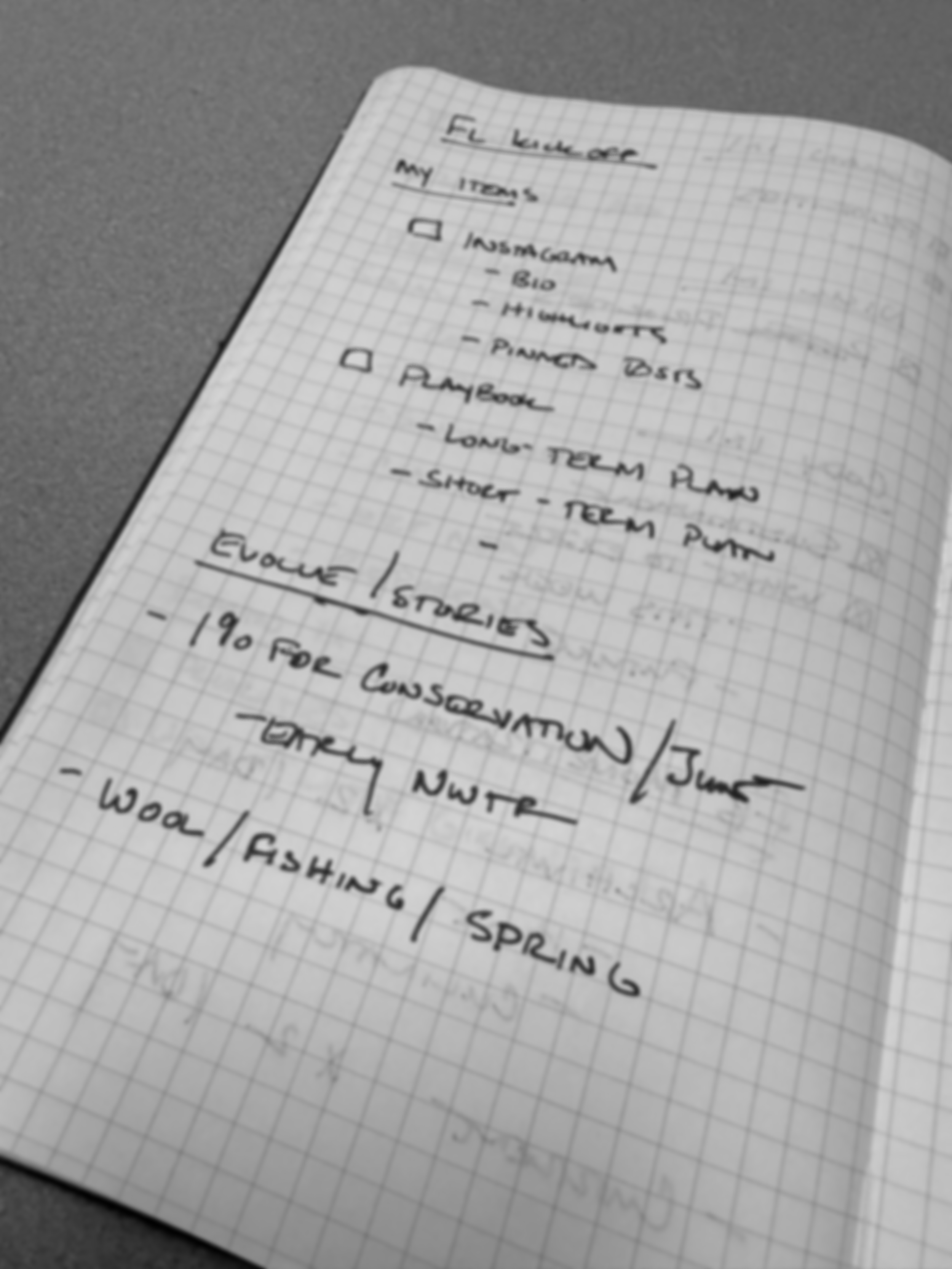
Defining how First Lite shows up
Strong brands are rarely held back by a lack of ideas. More often, they're held back by a lack of alignment.
First Lite had built a reputation around technical hunting apparel and a deep understanding of the people it serves. The opportunity wasn't to reinvent the brand. It was to create greater consistency between what the brand stood for and how it showed up across social.
To do that, I developed a social playbook designed to bring greater clarity and consistency to every decision we made. The work established a framework for tone of voice, content pillars, platform-specific execution, campaign integration, and creative standards.
The goal wasn't to create more content. It was to create a system that made better content possible.
The playbook helped define how First Lite should educate, entertain, inform, and advocate. It created clear guardrails while still leaving room for creativity. More importantly, it gave the team a shared language for evaluating ideas and making decisions.
The result was a more intentional approach to social. Content became less reactive and more strategic. Campaigns became more cohesive. Creative decisions became easier to defend because they were grounded in a documented point of view rather than individual preference.
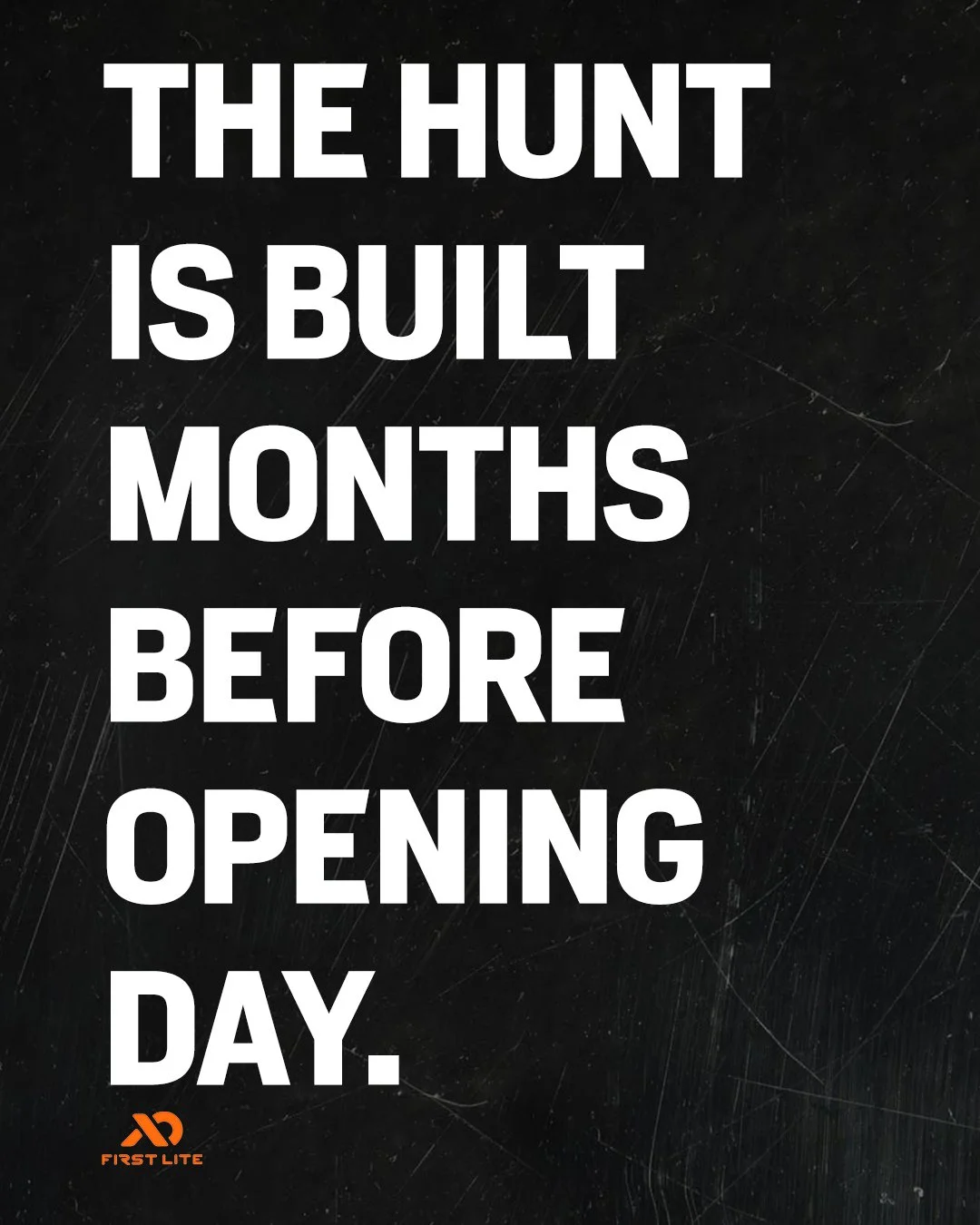
Strong brands are built through repetition. The playbook provided the structure needed to ensure First Lite showed up consistently, regardless of platform, campaign, or season.
Leading from the front
A strong system only matters if it performs under real conditions.
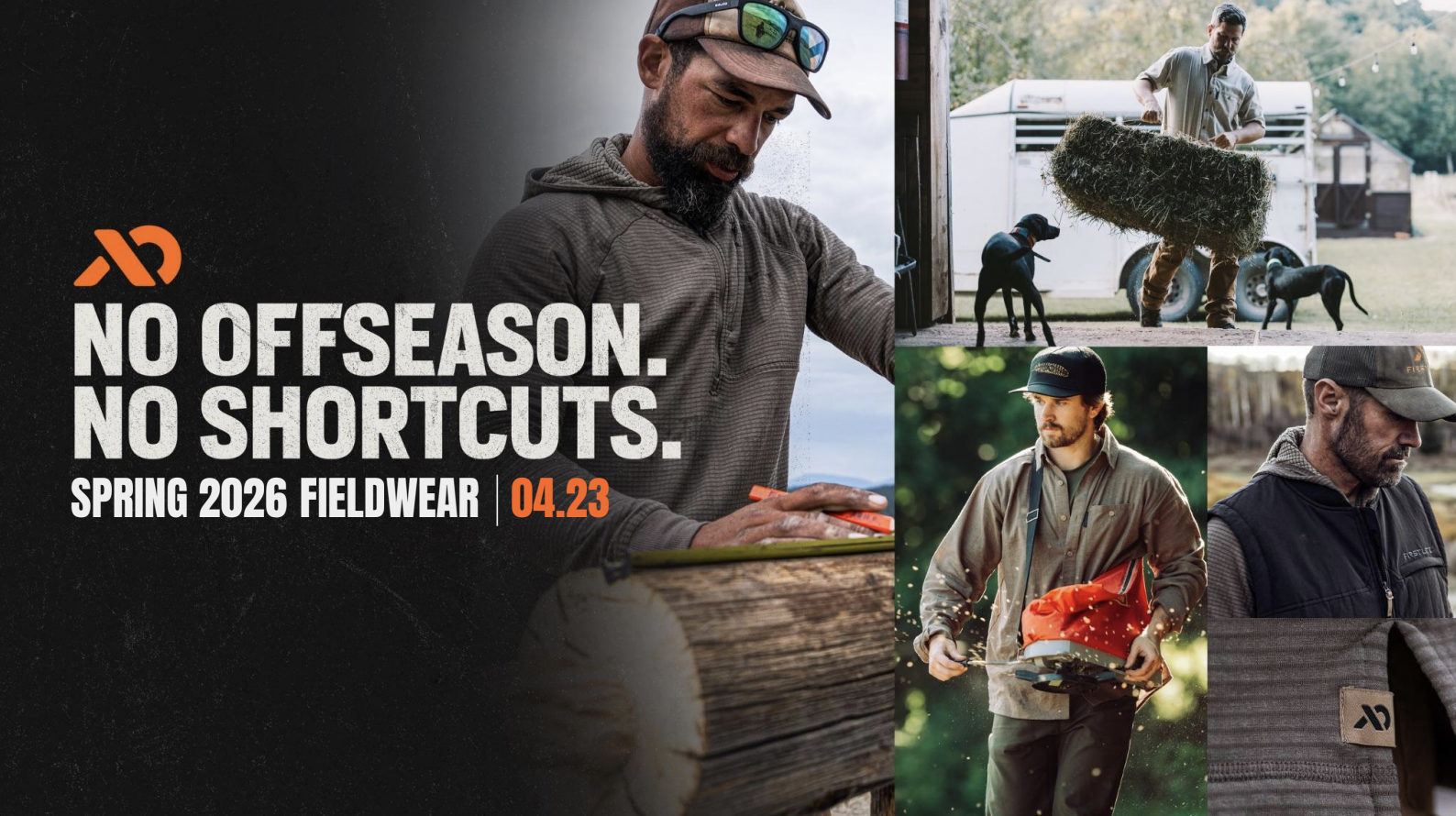
Fieldwear became one of the first opportunities to put our new social approach into practice. Rather than adapting campaign assets after the fact, social was involved from the beginning and helped shape how the launch came to life.
As First Lite expanded into the workwear category, we approached the campaign through a social-first lens, developing creative that felt native to the platform while staying true to the brand. The work focused on durability, utility, and the people who depend on their gear every day.
More importantly, Fieldwear proved what was possible when social was treated as a strategic partner rather than a distribution channel. It became an early proof point that the systems we were building could help shape larger brand initiatives, not just amplify them.
Hunters have long played a direct role in conservation, helping fund the wildlife, habitat, and public access that make hunting possible.
Built on that legacy, Camo for Conservation commits 1% of all First Lite camo sales to four leading conservation organizations working to protect the future of the hunt.
To bring the initiative to life, I proposed dedicating the entire month of June to Camo for Conservation across social through a four-phase storytelling campaign.
Phase 1: Our Declaration
Introducing the initiative, our partners, and the commitment behind it.
Phase 2: Where the Work Lands
Highlighting the habitat, wildlife, and public access conservation helps protect. The hunt starts here.
Phase 3: Stewards of the Hunt
Partnering with First Lite athletes and ambassadors to share personal stories about conservation and the organizations doing the work.
Phase 4: This Camo Stands for Something
Reinforcing that every camo purchase contributes directly to protecting habitat and public access, giving the pattern a purpose beyond the logo.
Defining what the brand stands for